Garden Care
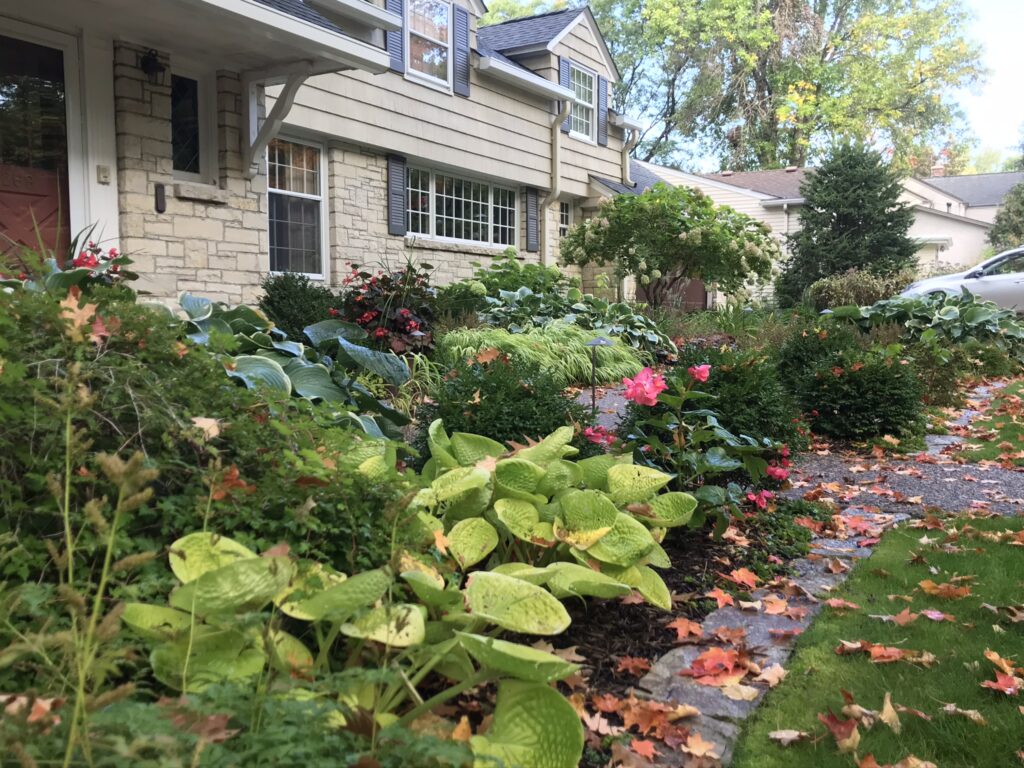
Every visit, no matter the time of year, there are tasks that are specific to taking care of the garden beds themselves. These tasks contribute to the overall aesthetics, function, beauty, and durability of the garden. Some of these tasks are seasonally specific, or are only relevant to certain types of gardens. Read on for more details!
Weeding
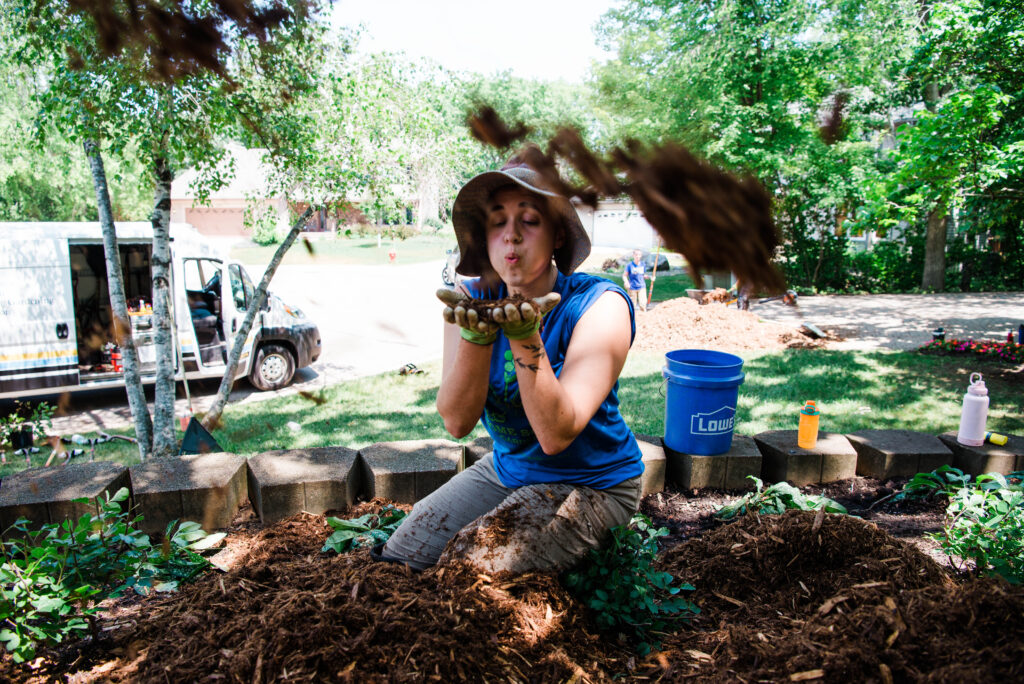
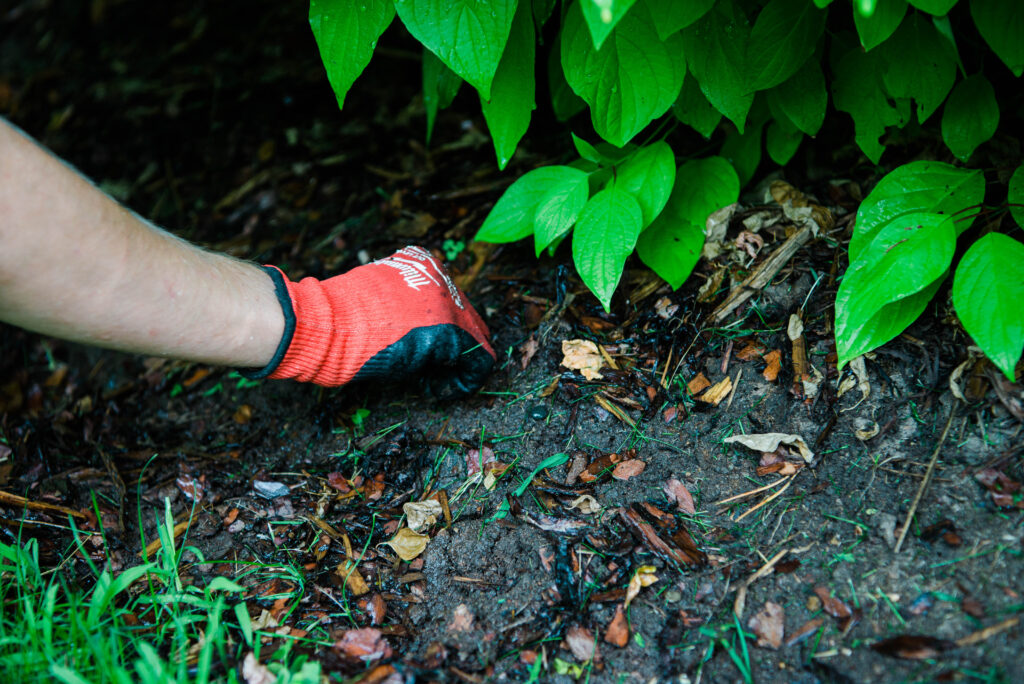
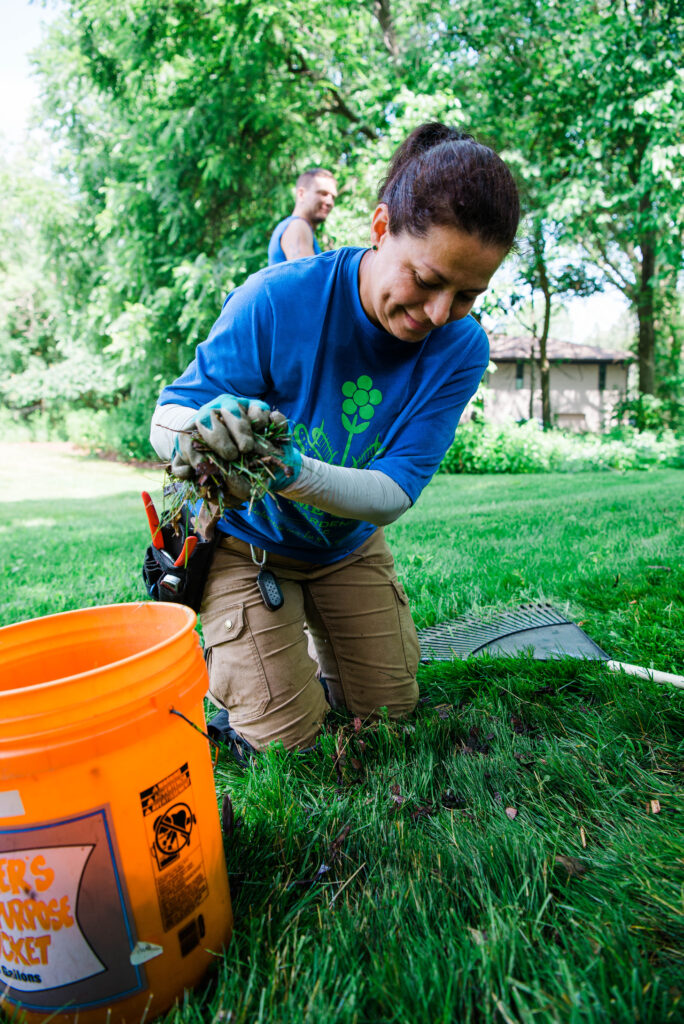
Throughout the season there are weeds to find and pull. Some weeds are good plants in the wrong spot. Turf grass is a common weed in the garden, and garden plants are considered weeds in the lawn. Some weeding is simply hand pulling, while other weeding can require a shovel or mattock to get the entire root system. The most important thing is to check every where in the garden, including inside good plants. You only find what you’re looking for.
Soil
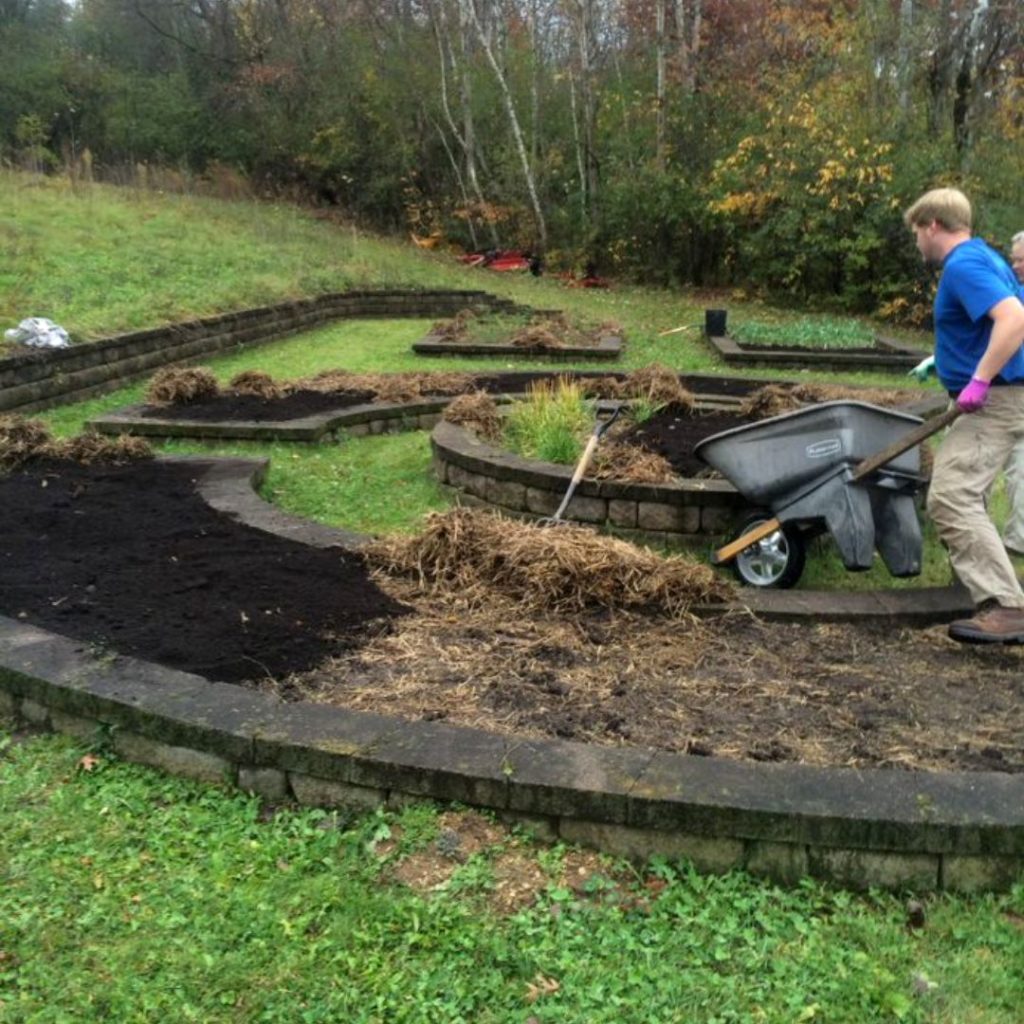
Soil care can look like many things, from simply filling holes to more involved amending of garden beds. Leveling low spots, filling in holes where something was removed, and redistributing soil that has washed out is typical maintenance. Amending soil is a process where some sort of addition is made to a garden bed, often organic material (typically compost) or a particular fertilizer that addresses a measurable nutrient need in the bed. Soil amending is typically done for vegetable gardens as they deplete their soil nutrients though continual planting and harvesting.
Mulch
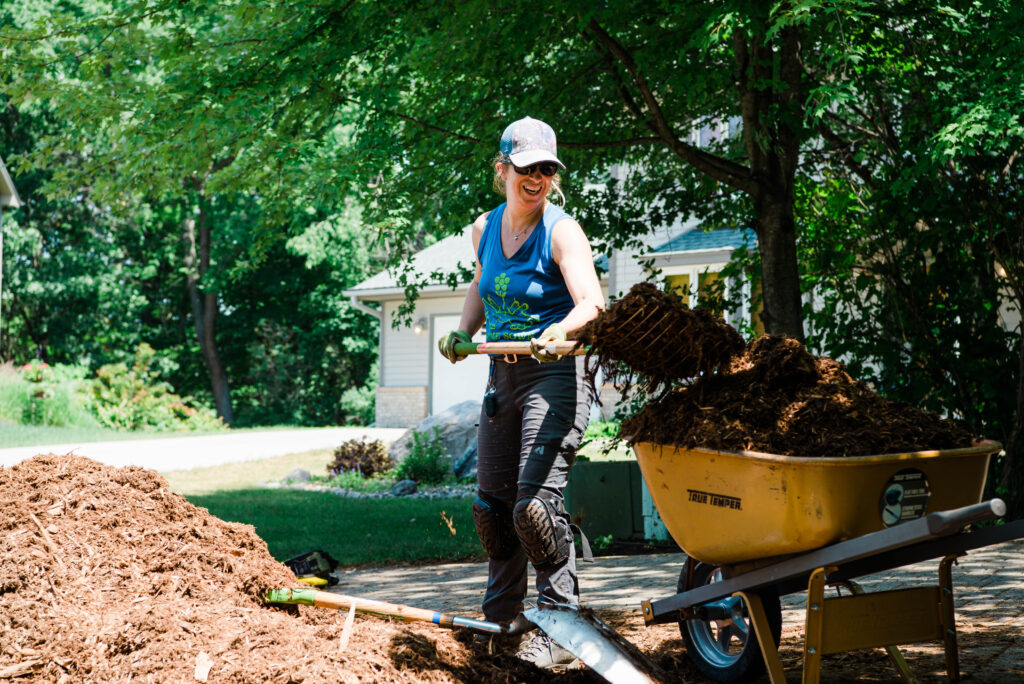
The ultimate layer of frosting on a garden, mulch is a workhorse in the garden. It helps preserve soil moisture, prevent weeds, insulate the ground from temperature extremes, and it looks amazing. Our care for mulch throughout the season can look like a variety of tasks. Redistributing mulch if it’s washed out of a bed or shifted to expose landscape fabric and irrigation lines. Pushing it back from bases of plants and edges of garden beds. And of course, the addition of more mulch is a fundamental service that we provide with a higher level of detail than the average landscaper. Many times we find that we are undoing the mistakes of others when mulching.
Hardscapes
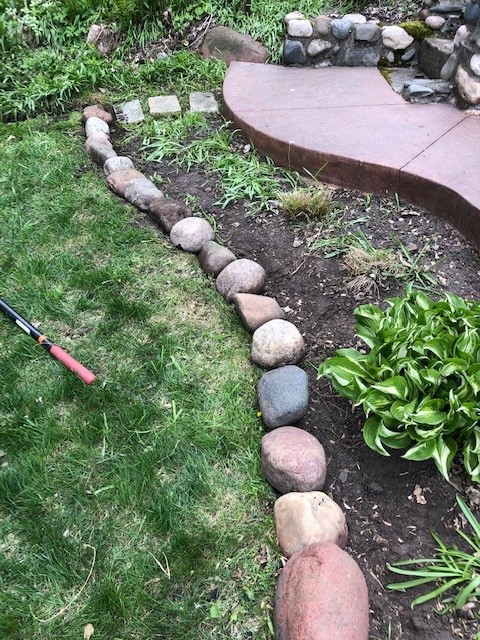
While we don’t install hardscapes, we attend to their overall aesthetics and function in the garden. Lifting sunken stepping stones is helpful, as is reestablishing boulder edges. Pulling back garden plants that are impeding pathways and patios is a good idea, and monitoring the condition of things to let the client know of any potential needs is a great way to build connection.
Edges
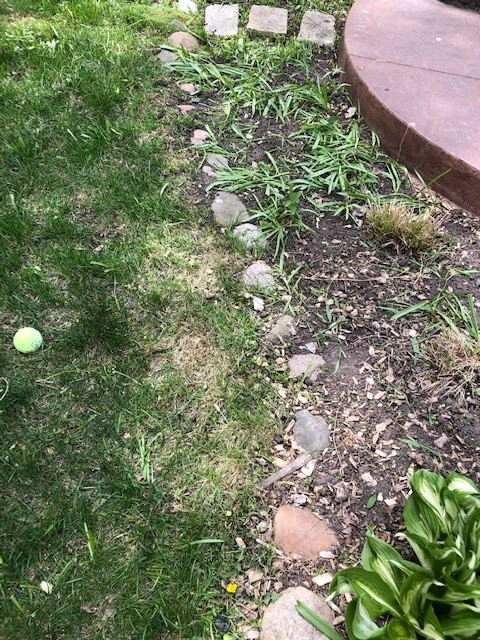
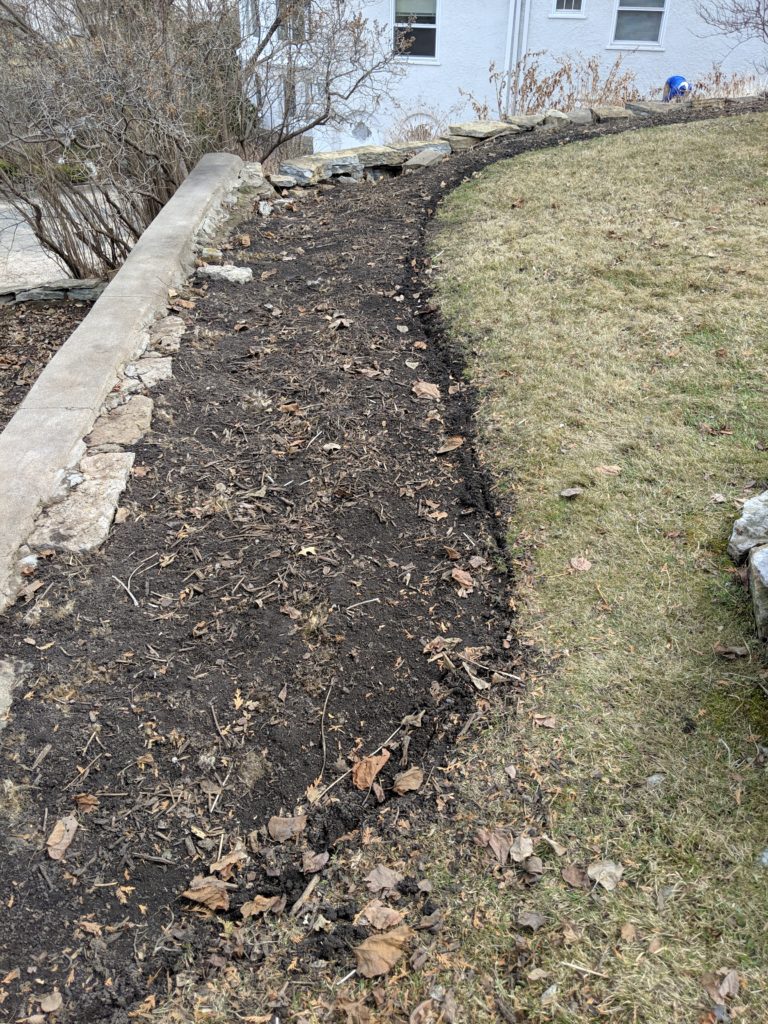
Cutting edges is a task that we typically perform at Spring Cleanup, but it has relevance throughout the year. Some sites require it more than once, or first time visits and restorations may have us cutting edges in July. Ditch edging is used when the garden and lawn meet with no physical barrier. An edger tool may be used to cut the lawn side of a physical edge such as a paver or Corten steel. Establishing edges is important in keeping garden plants contained, keeping turf grass out, and preventing wash out by giving mulch a place to settle.
Miscellaneous Debris
As we move through our clients gardens and yards, we see things from a different angle than most. Taking the opportunity to tidy up the non-typical areas is a way we set ourselves apart as professionals. Picking up sticks from the lawn, collecting leaves that build up around the back of the AC unit, and blowing debris out from underneath the clients car are all ways that we show our level of attention to detail.

Pests & Diseases
A very common concern in the garden is the presence of pests or diseases that can impact the health of the plants. Our typical approach is to observe, identify, and inform. We do not perform treatment services as those best practices are very time bound, typically based on weather and growing season. Our primary action is to observe pest damage or disease symptoms and perform tasks that help prevent the damage from spreading, such as removing plants effected with Aster Yellows or squashing the cocoons of the Hydrangea Leafteir caterpillar.
Garden Care
By looking at the whole garden, it’s appearance and it’s function, we help preserve and maintain it’s beauty for years to come!